Thursday, 9 July 2020

L'usage du monde by Nicolas Bouvier ...


"A journey does not need reasons. Before long, it proves to be reason enough in itself. One thinks that one is going to make a journey, yet soon it is the journey that makes or unmakes you " - Nicolas Bouvier


I  normally read books in the original language they have been written in (Spanish, French, English and German) and thus rarely read in Portuguese, unless the author happens to obviously be either Portuguese and/or have written in my native Language, but as I came across Nicolas Bouvier's translated version of "L'usage du monde" with sketches by Thierry Vernet,  I had no other choice because no bookshop had it written in the original Language - French ( though I can't praise the Portuguese translator José Mário Silva enough because in my humble opinion he did a great job at translating it).


Through Asia Minor travelling eastward and ending up in Afgahnistan this book is a journey in various ways because it goes beyond the simple travel description - it is written in a rather unique and captivating style and it "contains reflections on man's intimate nature". It is certainly one of the best travel books I have ever read.


"Nature renews itself with such vigour ... that man, by comparison, seems to have been born old. Faces harden and alter suddenly, like coins flattened on a railroad track: tanned, scarred, worked on by stubble, smallpox, weariness or anxiety. The most striking, the most handsome, even the boys' faces, look as though an army of boots has trampled over them. You never see, as at home, soft, thoughtful, healthily unformed faces, whose future is yet to be written on them" - Nicolas Bouvier - L'usage du Monde.


Tuesday, 7 July 2020

Three books by the same author ...

 
There's something about the way Dinah Jefferies writes that drew me in as I "devoured" page after page in an almost unstopable way as I made my way through the intricate stories of  almost every character in the Tea Planter's wife set in Ceylon. Once I finished that book I couldn't help buying two other books written by her, one of which just published one year after the Tea Planter's wife publishing - The Silk Merchant's daughter set in Vietnam and the other one two years prior - The separation set in Malasia, where the author herself was born.


"The Tea Planter's wife is a wonderful book on so many levels, intensely moving and beautifully observed. I was enthralled from start to finish ... Ceylon leaps to life in dazzingly  lush detail. The sights, sounds and smells are masterfully conjured. Dinah Jefferies brings to the story a power and intensity that drew me in and wouldn't let me go in this intimate and emotional tale that explores where the bounderies of love lie. A deeply touching and unforgettable read that swept me away. I loved it." - Kate Furnival


"What a vivid and well researched story! It is an exquisite depiction of the colonial Vietnam on the brink of a new era; I could feel the humidity and the sweet scent of frangipani trees ... Dinah's writing is incredibly suspenseful and did not shy away from the harsh reality of warfare. I fevered with Nicole to the very last page; the tension is as taut as the silk that winds through it." - Lucinda Riley


"The separation is as intimate as a kiss and as sharp as the blade of a knife. In this captivating tale of the bonds that connect mother and daughter, Dinah Jefferies explores the dangerous ambiguities of the human heart by peeling away its misteries layer by layer." - David Gillham


Monday, 6 July 2020

Some of the latest books I have read ...


Despite being completely different as far as writing styles are concerned and the subject matters discussed, these books have a few things in common, namely the fact that they are all memoirs partly connected to or set in Iran and their authors grew up between "so called" different " cultural worlds".
 
 
Behrouz Boochani  is an Iranian of Kurdish origin, Roxana Saberi an American reporter born to a Japanese mother and Iranian father, Ashley Dartnell was born in Tehran, having spent most of her childhood and adolescent years in Iran, despite being born to an American mother and English father, whilst Jennifer Klinec was born in Canada to Hungarian and Croatian parents having become a temporary bride to an Iranian, whom she later got officially married to.


They all touched me differently, with the first two - "No friend but the mountains" by Behrouz Boochani and "Between two worlds: my life and captivity in Iran" by Roxana Saberi, being the "hardest" ones to read, taking into account that both are a recollection of their temporary life ordeals.


Entirely written using Whatsapp "No friend but the mountains" is an autobiographical account of Behrouz Boochani's journey to Christmas island and his subsequent incarceration in the Australian detention facility on Manus island.


"Between two worlds: My life and captivity in Iran" is a recollection of the author's five month emprisonment in Tehran, interwoven with rather inspiring stories of some of her fellow prisoners.


"Farangi girl" is a compelling memoir of a rather difficult and "unique" childhood and early adolescence, mostly spent in Iran.


"Fascinating ... a desperate quest for sanctuary and redemption which in the end discovers solace in the most unexpected places" - The Times


A moving memoir of a relationship that didn't fit into the mathematical marriage formula of the adequate variables which were expected to have been entered so the outcome was successful, according to the Iranian "ancestral rules" interspersed with food is what "The temporary bride" is about.  


"Our relationship was stiched together of fragments of devotion, strong will and despair" though in the end belonging and emotional nourishment in exile was found.


Friday, 3 July 2020

Two rather unique books I have recently read ...


Amor Towles and Chicozie Obiama were authors I had never heard of until two months ago. Having seen the way Stefie looked when she was reading A gentleman in Moskow made me want to buy it. When it comes to An orchestra of minorities it was the title itself that first drew my attention. Once the synopsis of both books were read I felt I needed to effectively buy them.


I must confess I find them both rather unique. Not only are the stories gripping but also the writing styles of these authors.


This (and I quote) is a testament to the idea enunciated in the book that "adversity presents itself in many forms, and if a man does not master his circumstances, then he is bound to be mastered by them."


"It brims with intelligence, erudition and insight, an old-fashioned novel in the best sense of the term." - Fareed Zakaria - Global Public Square, CNN


"A contemporary twist in Homer's Odissey. A heart-wrenching epic about the tension between destiny and determination." - Little Brown and Company, UK


"An Orchestra of Minorities is a triumph: a wholly unsentimental epic that unspools smoothly over nearly a decade, it is set with equal success across two continents, employing myth and spirituality to create a vibrant new world ... the chi and all the spirits the reader encounters along the way ... imbue the novel with the richness of Igbo belief, transforming a tale of love and foolishness into a profound study of human frailty and the power of evil over the imagination. In an era of copycats, an Orchestra of minorities is an unusual and brilliantly original book" - The Economist


Two of the latest inspiring books I have read ...


Among the many books I have read throughout the pandemic outburst of Covid 19 are two very inspirational books, both of which were given to my by my daughter over Christmas - The Queen of Katwe by Tim Crothers and The hundred-foot journey by Richard C. Morais.


Set in two completely different continents and focused on equally different subject matters - cooking and chess playing  both highlight the importance of dreaming beyond one's wildest expectations, believing in oneself, overcoming obstacles, having resilence, working hard, being committed and trusting destiny.


"A must-read for all who dare to dream" - Library Journal on the Queen of Katwe 


"This extraordinary story will stop you and make you count your blessings! It confirms how the strength of the human spirit and determination can prevail. Tim's portrait of Ugandan prodigy Phiona Mutesi offers hope and inspiration to all mankind" - Laura Schoff, New York Times bestselling author of An invisible thread on Queen of Katwe.


" This novel of mystic proportions, yet told with trully heartfelt realism is a stunning tribute to family and food, in that order" - BookList on The hundred-foot journey.


Tuesday, 23 June 2020

Figueira revisited under the pandemic outbreak of Covid 19 ... April and May 2020


Being confined in our family house throughout the worst period of the pandemic outbreak of Covid 19 forced me to revisit some of my childhood and early adolescent years and thoroughly relive some of the memories, making them surface either in a different light or the way they had felt then.


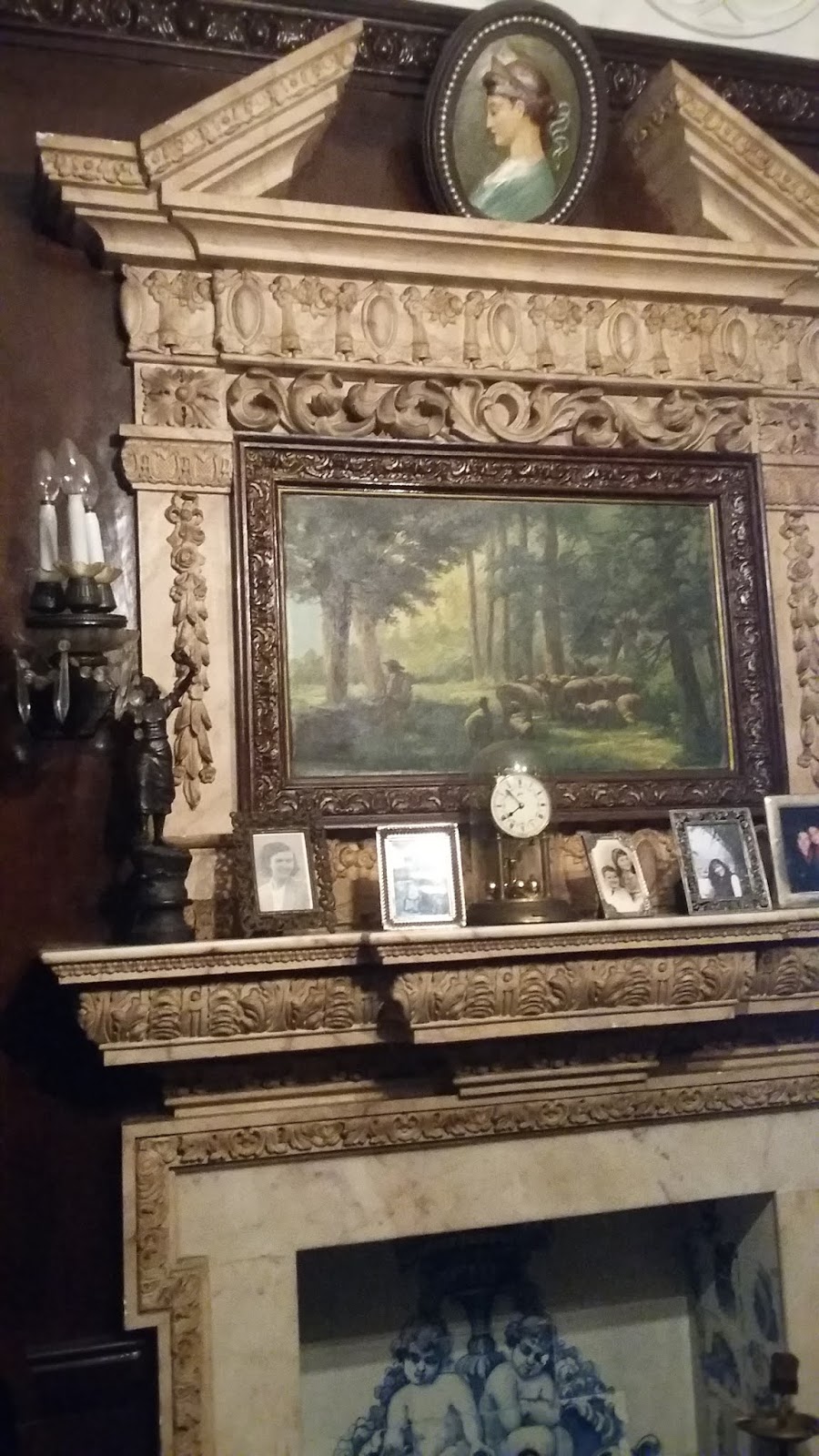
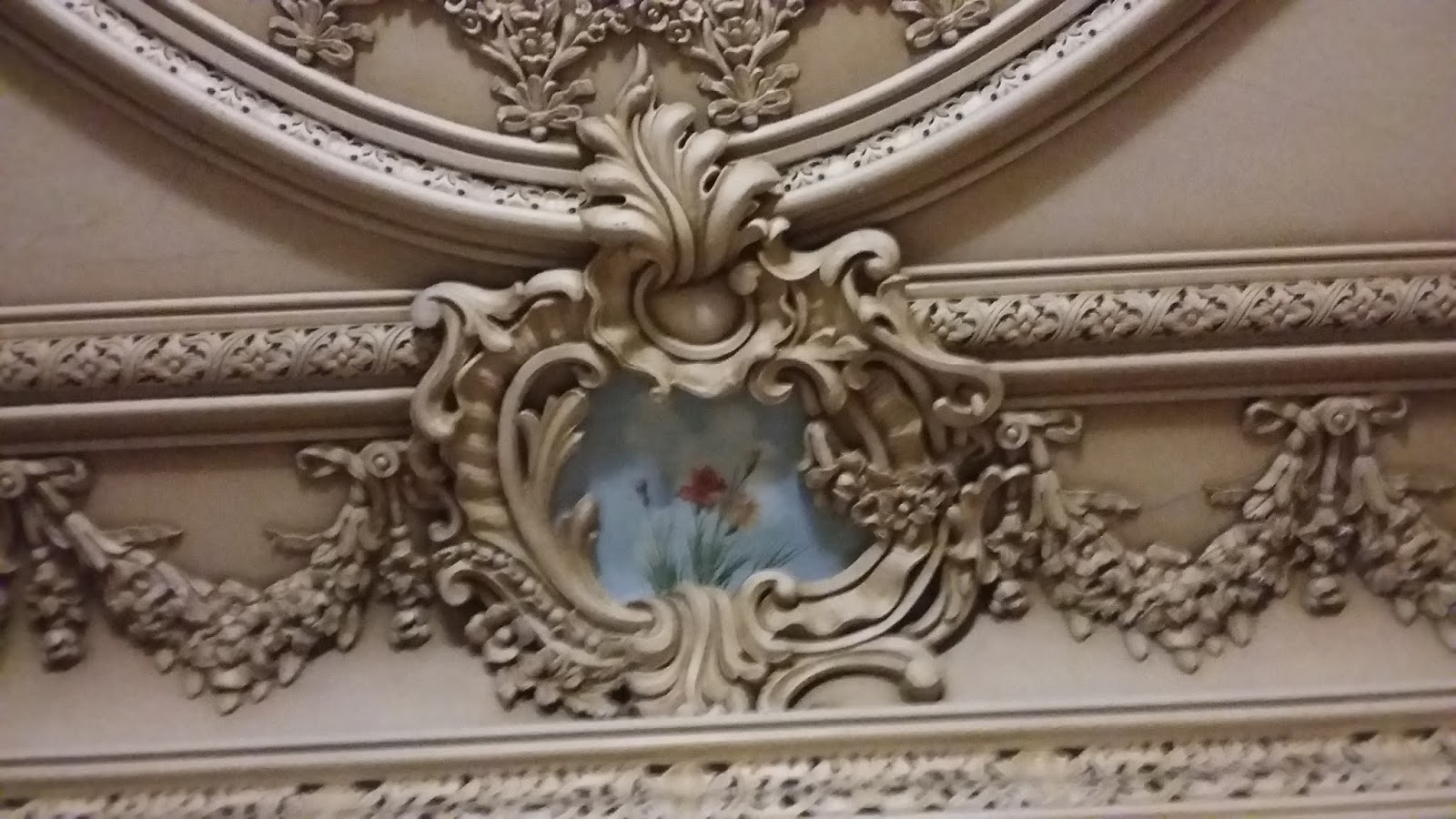
The beautifully carved ceilings of the Music room where I used to sit and play the piano as an infant looked as beautiful as ever ... I could almost hear the angels playing the various instruments as I looked at the fireplace.


Across the room the painted flowers on both the ceiling and the walls of our mother's consultation room came alive as did her imposing look ... the one she projected the day she got her medical degree and was painted live. We weren't witnesses to it but that stern look was present all the way through our early years.  


I came across some old photos ... it touched me to look at Faye as a child   and remember how high her expectations were as a young girl and how life so abruptly put an end to all that could have been and never was ... it equally touched me to look at my little Mia ... realising how theatre played such an important role in her professional life and how that was also so unexpectedely put to an end to ...
My own photo in Paris brought about the expectations I used to have in regards to travelling ... what it meant then and what it means now ...


As I was looking at some of my parents' old photos they inevitably made me think about their own expectations (or at least the ones they confided in me  as having had sometime in the past) in regards to what they had expected their marital life to be and how it never was ... and how strongly their separation impacted their lives and ours ... as young children ...


I strolled around the quarter I once felt as being the centre of my life ... and how I barely identified myself with it now ... a few old buildings were left behind ... some of them still looked the same despite being "inactive" whilst others were repainted, readapted, renovated ... re whatever ... my feeling of belonging is no longer there, though.


As I was looking at one of the Chinese vases'details, the rough sea paintings, the religious sculptures and the  tapestries that decorate the staircase to the first floor, the corridors of the first floor, the chapel and two of the bedrooms which I used to often stand in front of and "travel in" ...


 The door to the outside was rarely used as an adolescent ... young ladies were supposed to be "protected" from any contagious influences ... I do not know how often I looked at it believing that maybe one day I would be gone never to come back ...


I made my way to the public garden where the female statues inevitably drew my attention ... they seemed "composed" and "dreamy" like ... "We miss love stories at every minute (...) " could be seen written along one of the wooden garden benches ... I wondered ...


Across the garden the tiled Court wall, whose images I know by heart  ... even with my eyes closed. They have been there since I recall and for some sort of reason they have always caught my attention.


Some signs on dogs and dogs' owners sense of responsibility had been put up and I quite liked them. The fact that they were close to the court premises made me smile.


On the way back home The river mouth and Praça Nova (New Square) with its old façades.


The tiny little fish slipping through one's hands made me think on how sometimes people feel or convince themselves they can easily catch you with or without the need of using of a hook ... or bait ... it might be true ... and yet it might not ...


Once home and as I watched the statue of the archer at the foot of the staircase and the bell past images surfaced ... the calling out for dinner ... the light leading the way as the male made their way to the upper floor after their long nights out ...


... images ... objects ... details ... textures ... a table cloth I embroidered as a young girl ... all of them connected to the past ...


I am out again ... I can't help but look at flowers ... flowers I come across at every step I take. I don't think I had ever realised they were everywhere ... the presence of the river seemed omnipresent then ... the water ... the boats ... the piers ... the Museum of tiles, whose walls are covered in Dutch style tiles that were brought ashore when a ship sank off the coast ... the lighthouse that once used to be hit by waves and now stands in the middle of a road ... the mansion houses pertaining to people associated with sea activities ... the horse show competitions that no longer are ... but in blue tiles along the wall of the church yard ... the church where I was christened ... "my" kindergarten ...
 
 
Memories ... just like flowers ... planted everywhere ...


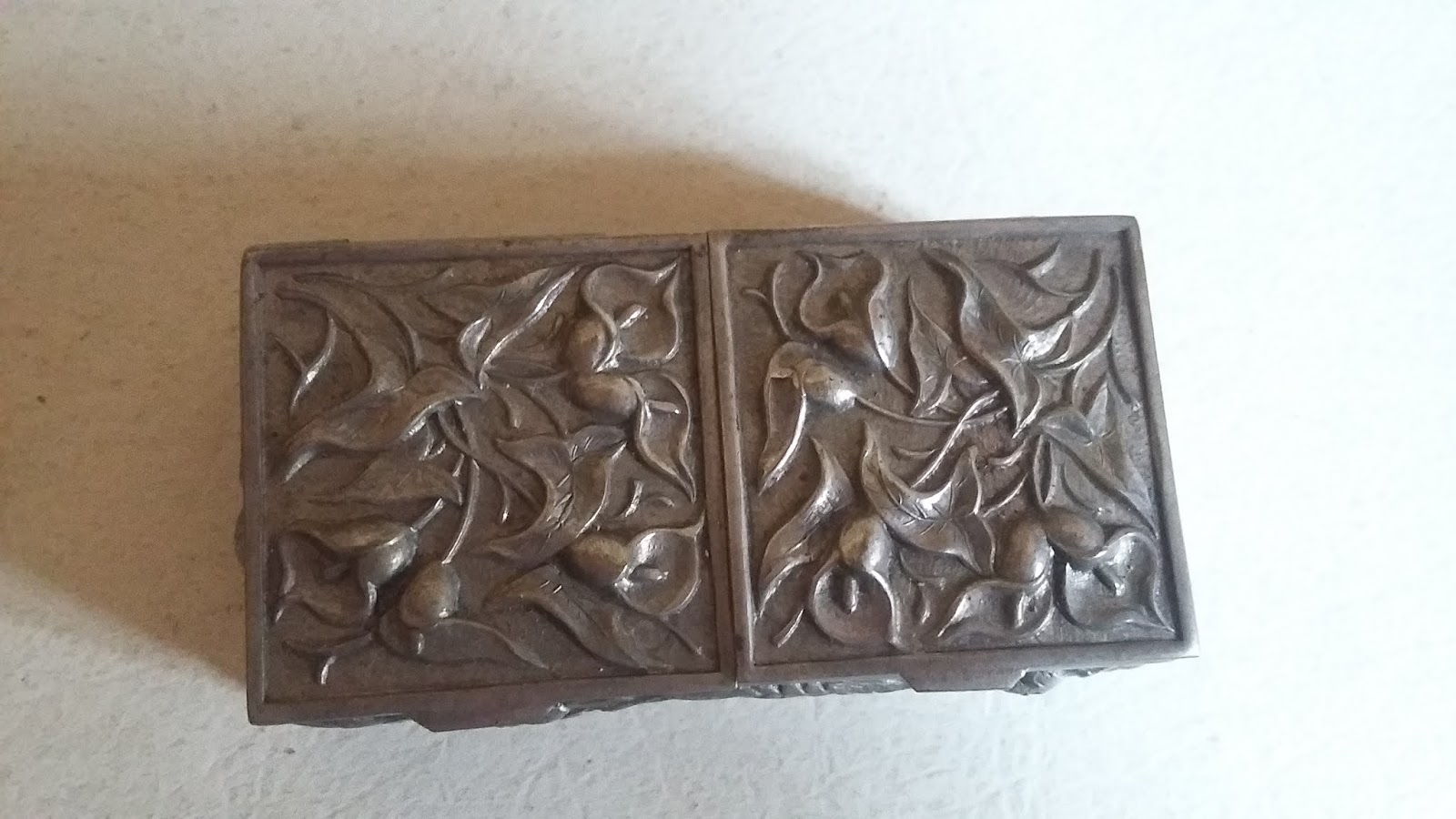
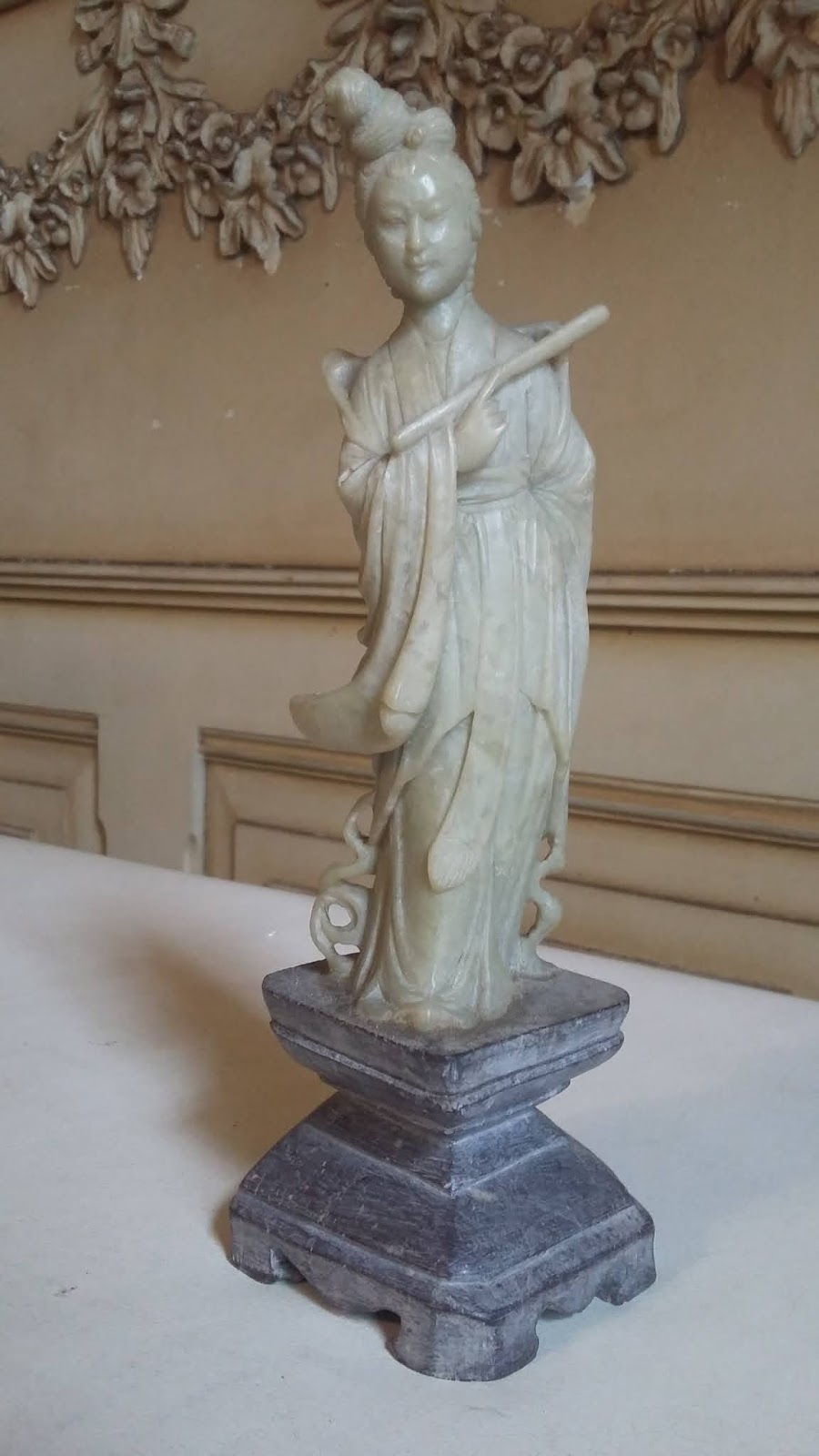
I had to touch every little object kept in my mother's wall cabinet, from the colourful carved boxes from all over the world to the miniature Chinese clay figures, the fans ... the dolls and those hundreds of tiny objects I used to look at as a child. I knew where each of them came from ... and that curiosity I used to hold onto many years back paved the way to a much wider curiosity in years to come. It took me around the world ... to some of the places those same objects had been fabricated in ... the metal with incrusted stones ... the lacquer ... the ivory ... the infinite world of handicraft ... the world beyond my inner world ...


 ... Some old pictures brought some old wounds ... the sense of preference ... or what might have been perceived then as preference ... I can understand it now ... it hurts no more ...


... Another explosion of colour ... the bright coloured petals ... an infinate myriad of colour combinations ...


As I was admiring some paper flowers and an intricate Chinese village made out of carved stone in one of the first floor rooms I came across one of my all time favourite children's books - the Hans Christian Andersen's tales illustrated by João da Câmara Leme ... the look of it made me emotional ... despite not having become well known, I'd like to be able to let Câmara Leite know how important his sketches were for me as a child ... how they added this different touch to the depth of Christian Andersen's stories ... how they made me dream beyond the pages ... and how much they influenced my style of sketching over a particular period of time ...


Heading towards Buarcos along the river shore I came across some rather unique flowers ... and the more I looked at them the more I found them exquisitely beautiful ...


Details ... more details ... interspersed by flowers ... flowers everywhere along the beach ...


Back home some photos of the last Christmas with "tia Lena"catch my attention ... Mum and Mia seem not to look much older despite the years ... but how grown up is my nephew !...


The following days saw me venturing out one hour every day ... in every possible direction, so as to revisit the long gone past ... and the confirmation that not much is "physically" left ... apart from some old buildings ...


 ... but maybe one day (talvez um dia) I'll seal the overcoming process of some of my childhood emotional wounds initiated now ...